

Imagine a floor that adds warmth, character, and timeless beauty to every room—whether you prefer the classic grain of oak or the exotic allure of Brazilian cherry. Hardwood flooring is more than a surface; it is an investment in elegance, durability, and home value. From solid hardwood (crafted from a single piece of wood, sandable and refinishable for generations) to engineered hardwood (multi-layer construction offering moisture resistance for basements), the choices can feel overwhelming. Exotic species bring unique colors and hardness, while domestic woods offer reliability and availability. Prefinished options simplify installation; unfinished allows custom staining. Discover the differences, benefits, and care tips for each type, and find the perfect hardwood to transform your space.
When it comes to flooring options, few choices evoke the timeless elegance and warmth of hardwood. From classic oak to exotic teak, hardwood flooring offers a wide range of options to suit every style and preference. “Hardwood Flooring Types: Exploring Your Options” is your comprehensive guide to understanding the various types of hardwood flooring available and discovering which option best fits your needs and aesthetic preferences.
In this article, we’ll delve into the world of hardwood flooring types, exploring the characteristics, advantages, and unique features of each. Whether you’re drawn to the rich grain patterns of traditional oak or the exotic allure of Brazilian cherry, we’ll help you navigate the vast array of hardwood species and styles to find the perfect fit for your home.
Join us as we embark on a journey through the diverse world of hardwood flooring, from the classic to the exotic, and uncover the beauty and versatility that this timeless flooring option has to offer. Whether you’re renovating your existing space or building your dream home, hardwood flooring is sure to add warmth, character, and sophistication to any room.
Brief overview of hardwood flooring
Hardwood flooring is a classic and enduring choice for home and commercial spaces alike. It is crafted from natural wood and offers a timeless appeal that enhances the beauty and functionality of any interior. With its rich textures, warm tones, and inherent durability, hardwood flooring has become synonymous with elegance and sophistication. Whether installed in traditional or modern settings, hardwood flooring adds charm and character while providing a versatile foundation for diverse design styles. Its popularity stems from its aesthetic appeal, longevity, and ability to increase the value of properties.
Importance of hardwood flooring in interior design
Hardwood flooring holds significant importance in interior design due to its ability to elevate the ambiance and aesthetics of a space. Here’s why it’s considered a cornerstone of interior design:
Timeless Elegance: Hardwood flooring brings a timeless elegance to any interior. Its natural beauty and warmth create a sense of comfort and sophistication that transcends design trends. Whether used in classic or contemporary settings, hardwood flooring adds a touch of luxury and charm.
Versatility: One of the key advantages of hardwood flooring is its versatility. It seamlessly complements a wide range of design styles, from traditional to modern, rustic to minimalist. This adaptability allows homeowners and designers the freedom to experiment with different décor elements while maintaining a cohesive look.
Enhanced Value: Installing hardwood flooring can significantly increase the value of a property. Its durability and longevity make it a wise investment, as it adds to the overall appeal and marketability of a home or commercial space. Hardwood flooring is often considered a premium feature that attracts potential buyers and tenants.
Visual Continuity: Hardwood flooring provides visual continuity throughout a space, creating a sense of flow and cohesion. It can be used to connect different areas of a home or office seamlessly, enhancing the overall design aesthetic and functionality.
Natural Beauty: Unlike synthetic flooring materials, hardwood flooring is crafted from natural wood, each plank bearing unique grain patterns and textures. This natural beauty adds character and depth to interiors, creating a warm and inviting atmosphere.
Health and Sustainability: Hardwood flooring is a sustainable choice for eco-conscious consumers. It is made from renewable resources and can be sourced from responsibly managed forests. Additionally, hardwood floors are hypoallergenic and easy to clean, contributing to a healthier indoor environment.
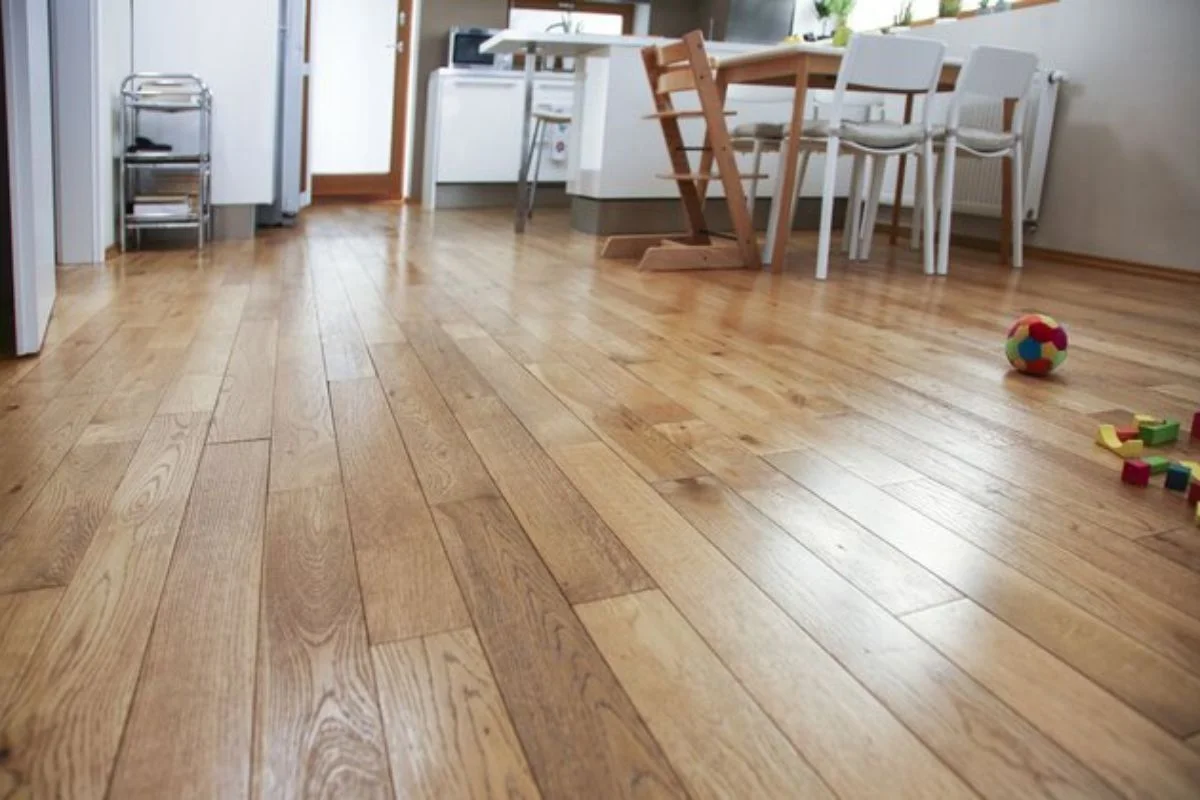
Benefits of Hardwood Flooring
Hardwood flooring offers a multitude of benefits that make it a preferred choice for homeowners and designers alike. Here are some of the key advantages:
Durability and Longevity: Hardwood flooring is renowned for its durability and longevity. When properly maintained, hardwood floors can last for generations, making them a wise long-term investment for any home or commercial space.
Aesthetic Appeal: The natural beauty of hardwood flooring adds warmth, character, and sophistication to any interior. With a wide range of wood species, grains, and finishes available, hardwood floors offer endless design possibilities to suit any style or preference.
Versatility: Hardwood flooring is incredibly versatile and can complement a variety of design aesthetics, from traditional to modern and everything in between. Its neutral tones and timeless appeal make it suitable for virtually any space, allowing for seamless integration with existing décor elements.
Easy Maintenance: Compared to other flooring options, hardwood floors are relatively easy to clean and maintain. Routine sweeping, vacuuming, and occasional mopping are usually all that’s needed to keep hardwood floors looking their best. Additionally, hardwood floors are less prone to trapping dust, dirt, and allergens, making them an ideal choice for allergy sufferers.
Increases Property Value: Installing hardwood flooring can significantly increase the resale value of a property. Potential buyers are often willing to pay a premium for homes with hardwood floors due to their durability, aesthetic appeal, and perceived higher quality.
Timeless Appeal: Unlike trendy flooring options that may fall out of fashion, hardwood flooring has a timeless appeal that never goes out of style. Its classic look and feel add value and sophistication to any space, ensuring that it remains a desirable choice for years to come.
Environmentally Friendly: Many hardwood flooring options are sourced from sustainably managed forests, making them an environmentally friendly choice. Additionally, hardwood floors can be refinished and reused, further reducing waste and environmental impact.
Types of Hardwood Flooring
When considering hardwood flooring, there are several types to choose from, each with its own characteristics and installation methods. Here’s an overview of the main types:
Solid Hardwood Flooring:
- Solid hardwood flooring is crafted from a single piece of wood and is typically available in various thicknesses and widths.
- This type of flooring can be sanded and refinished multiple times, allowing for long-term durability and versatility in design.
- Solid hardwood is sensitive to moisture and temperature changes, so it’s not recommended for installation in areas prone to high humidity or below-grade spaces.
Engineered Hardwood Flooring:
- Engineered hardwood flooring is constructed with multiple layers of wood veneer stacked in a cross-grain configuration and bonded together.
- This construction provides enhanced stability and resistance to moisture, making it suitable for installation in areas where solid hardwood may not be feasible, such as basements or bathrooms.
- Engineered hardwood can be installed using various methods, including glue-down, nail-down, or floating installation.
Exotic Hardwood Flooring:
- Exotic hardwood flooring is sourced from tree species that are not native to the region where the flooring is being installed.
- These species often feature unique grain patterns, colors, and hardness levels, making them prized for their distinct aesthetic appeal.
- Popular exotic hardwood species include Brazilian cherry, tigerwood, and acacia, among others.
Domestic Hardwood Flooring:
- Domestic hardwood flooring is sourced from tree species that are native to the region where the flooring is being installed.
- Common domestic hardwood species include oak, maple, hickory, and walnut, among others.
- Domestic hardwoods are prized for their durability, versatility, and wide availability, making them a popular choice for residential and commercial applications.
Prefinished vs. Unfinished Hardwood Flooring:
- Prefinished hardwood flooring comes with a factory-applied finish, which provides added protection against wear and tear and simplifies the installation process.
- Unfinished hardwood flooring requires sanding and finishing on-site, allowing for greater customization of the final look and feel of the floor.
Distressed Hardwood Flooring:
- Distressed hardwood flooring is intentionally aged and weathered to create a worn, rustic appearance.
- This type of flooring is ideal for achieving a vintage or reclaimed look and can add character and charm to any space.

Installation and Maintenance Tips Hardwood Flooring
Installing and maintaining hardwood flooring requires careful attention to detail and proper techniques to ensure its longevity and beauty. Here are some installation and maintenance tips for hardwood flooring:
Installation Tips:
Acclimate the Wood: Before installation, allow the hardwood flooring to acclimate to the humidity and temperature of the room where it will be installed. This helps prevent expansion or contraction after installation.
Prepare the Subfloor: Ensure the subfloor is clean, flat, and dry before installation. Remove any debris, old flooring, and adhesive residues. Repair any uneven spots or damaged areas to ensure a smooth surface.
Choose the Right Installation Method: Depending on the type of hardwood flooring and the subfloor, choose the appropriate installation method. Common methods include nail-down, glue-down, or floating installation. Follow manufacturer guidelines and recommendations for best results.
Use Proper Tools and Equipment: Use the correct tools and equipment for the installation process, including nailers, saws, adhesives, spacers, and moisture barriers. This helps ensure precision and efficiency during installation.
Allow for Expansion Gaps: Leave expansion gaps around the perimeter of the room to accommodate natural fluctuations in humidity and prevent buckling or warping of the hardwood flooring.
Maintenance Tips:
Regular Cleaning: Sweep, vacuum, or dust mop hardwood floors regularly to remove dirt, dust, and debris that can scratch the surface. Use a hardwood floor cleaner recommended by the manufacturer for periodic cleaning.
Avoid Moisture Exposure: Hardwood flooring is sensitive to moisture, so avoid excessive water exposure and clean up spills promptly using a damp cloth. Use rugs or mats in high-traffic areas and near entryways to protect the floor from moisture and dirt.
Protect from Furniture: Place felt pads or coasters under furniture legs to prevent scratches and dents on the hardwood flooring. Lift heavy furniture rather than dragging it across the floor to avoid damaging the surface.
Trim Pet Nails: Keep pet nails trimmed to prevent scratching the hardwood flooring. Place mats or rugs in areas where pets frequently walk or rest to minimize wear and tear.
Maintain Humidity Levels: Maintain consistent humidity levels in the home to prevent excessive expansion or contraction of the hardwood flooring. Use a humidifier in dry climates and dehumidifier in humid climates to regulate indoor humidity levels.
Schedule Routine Maintenance: Schedule routine maintenance tasks such as professional deep cleaning, buffing, and refinishing as needed to restore the lustre and appearance of the hardwood flooring over time.
conclusion
In conclusion, hardwood flooring stands as a timeless and versatile choice for enhancing the aesthetics and functionality of any interior space. Its enduring appeal, durability, and aesthetic versatility make it a preferred option for homeowners, designers, and architects alike.
Frequently Asked Questions (FAQ)
What is the difference between solid and engineered hardwood flooring?
Solid hardwood is a single piece of wood, typically ¾ inch thick, and can be sanded and refinished multiple times. Engineered hardwood has multiple layers (plywood base with wood veneer top), offering better moisture resistance and stability, making it suitable for basements and concrete subfloors. Both provide natural beauty, but engineered handles humidity better.
Which hardwood species is most durable?
Brazilian cherry, hickory, maple, and white oak rank high on the Janka hardness scale, resisting dents and scratches. Brazilian walnut (ipe) is extremely hard. Walnut and cherry are softer but offer rich color. For high-traffic areas or homes with pets, choose harder species. Engineered hardwood with a thick wear layer also adds durability.
Can hardwood flooring be installed in bathrooms?
Solid hardwood is not recommended for bathrooms due to moisture and humidity, which cause warping. Engineered hardwood with a waterproof core and proper sealing can work in powder rooms with low moisture. For full bathrooms, tile or luxury vinyl are safer. Always maintain consistent humidity and wipe spills immediately.
What is the best way to clean hardwood floors?
Sweep or vacuum daily to remove abrasive dirt. Damp mop weekly with a cleaner specifically formulated for hardwood—never saturate. Avoid vinegar, ammonia, or steam mops. Use felt pads under furniture legs. Wipe spills immediately. Refinish every 5 to 10 years as needed. Proper maintenance keeps hardwood beautiful for decades.
Is engineered hardwood real wood?
Yes. Engineered hardwood has a top layer of real wood veneer (typically 2mm to 6mm thick) over multiple plywood or fiberboard layers. It looks identical to solid hardwood and can be refinished once or twice depending on veneer thickness. It offers better stability in humid or below-grade installations than solid wood.
What is the most cost-effective hardwood flooring?
Domestic species like red oak and maple are generally more affordable than exotic woods. Engineered hardwood is often less expensive than solid of the same species. Unfinished hardwood costs less upfront but requires sanding and finishing on-site (added labor). Prefinished costs more but saves installation time and avoids dust.
Can hardwood flooring be installed over concrete?
Yes, but only engineered hardwood is recommended. Install a moisture barrier (polyethylene film) over concrete before gluing down or floating engineered planks. Solid hardwood absorbs moisture from concrete, causing warping, mold, and adhesive failure. Test concrete for moisture before installation. Use a dehumidifier in basements.
How long does hardwood flooring last?
With proper care, solid hardwood can last 50 to 100 years or more, and can be refinished 4 to 7 times. Engineered hardwood lasts 20 to 40 years (1 to 2 refinishings). Lifespan depends on species, thickness, traffic, and maintenance. Quality hardwood is a multi-generational investment that adds lasting value to homes.
What is distressed hardwood flooring?
Distressed hardwood is intentionally aged, scraped, or wire-brushed to create a worn, rustic, or reclaimed look. It hides scratches and dents well, making it ideal for busy households. Distressing can be done on solid or engineered wood. Popular styles include hand-scraped, wire-brushed, and time-worn finishes. It adds character and texture.
Is hardwood flooring eco-friendly?
Yes, when sourced responsibly. Look for FSC-certified wood from sustainably managed forests. Hardwood is renewable, biodegradable, and stores carbon. Engineered wood uses less hardwood per square foot. Reclaimed wood gives new life to old lumber. Avoid exotic species from non-sustainable sources. Hardwood also improves indoor air quality compared to carpet.